High blood pressure (Hypertension): Causes, symptoms & treatment
A guide on what is high blood pressure, how it is diagnosed, the symptoms and natural treatment options
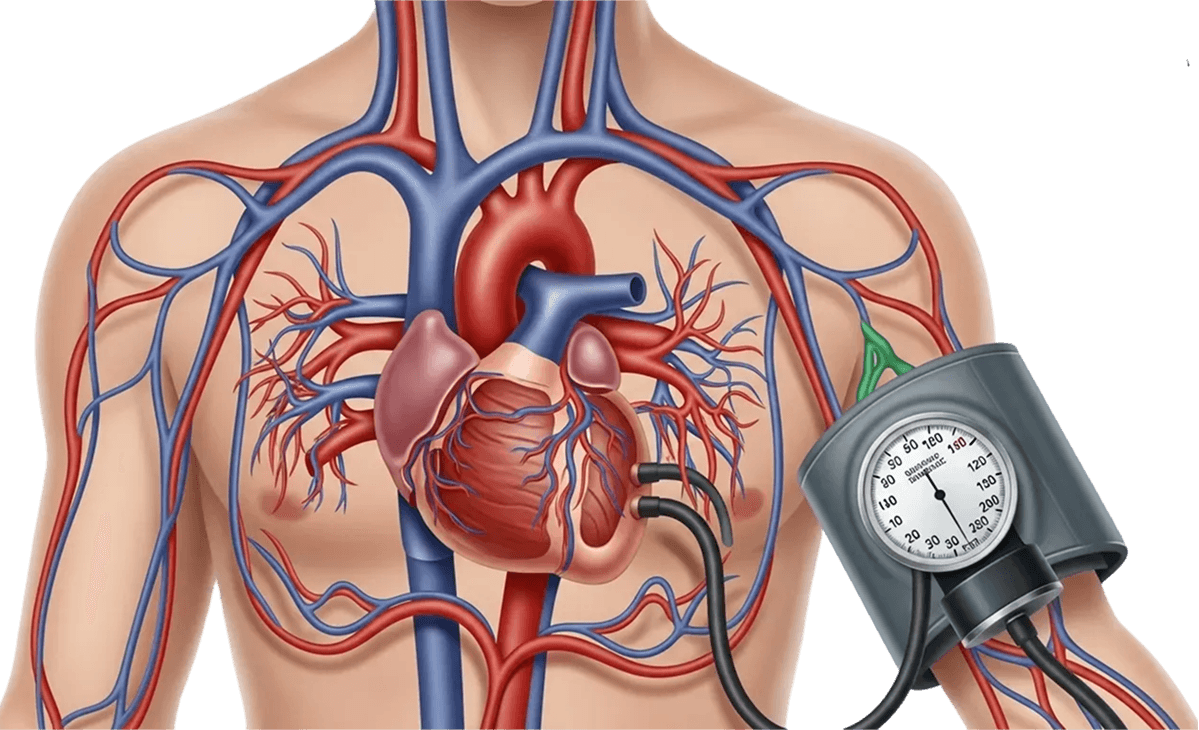
Table of Contents
Related Articles
 High blood pressure: Causes, Symptoms & Treatment
Recommended Product
What is high blood pressure?
High blood pressure, also known as hypertension, is a condition where the force of blood against the artery walls is consistently too high. Blood pressure is measured in millimeters of mercury (mmHg) and recorded with two numbers: systolic pressure (when the heart beats) over diastolic pressure (when the heart rests between beats).
A normal blood pressure reading is less than 120/80 mmHg. Elevated blood pressure ranges from 120-129 systolic and less than 80 diastolic. Hypertension is diagnosed when readings consistently show 130/80 mmHg or higher.
This condition affects millions of people worldwide and is a major risk factor for heart disease, stroke, and kidney disease. The good news is that high blood pressure can often be managed through lifestyle changes and, when necessary, medication.
High blood pressure stages explained
The American Heart Association classifies blood pressure into several categories. Normal blood pressure is less than 120/80 mmHg. Elevated blood pressure ranges from 120-129 systolic and less than 80 diastolic, indicating an increased risk of developing hypertension.
Stage 1 hypertension is defined as 130-139 systolic or 80-89 diastolic. Stage 2 hypertension is 140/90 mmHg or higher. A hypertensive crisis occurs when blood pressure exceeds 180/120 mmHg and requires immediate medical attention.
Understanding these stages helps healthcare providers determine the appropriate treatment approach and helps patients recognize the severity of their condition.
Global statistics about high blood pressure
According to the World Health Organization, an estimated 1.28 billion adults aged 30-79 years worldwide have hypertension. Alarmingly, nearly half of these individuals are unaware they have the condition.
High blood pressure is responsible for approximately 9.4 million deaths globally each year and contributes to the burden of heart disease, stroke, and kidney failure. The prevalence is particularly high in low- and middle-income countries.
Early detection through regular screening and effective management can significantly reduce the risk of complications and improve quality of life for those affected.
Causes of high blood pressure
The exact cause of high blood pressure is often unknown, a condition called primary or essential hypertension. This type develops gradually over many years and is influenced by genetic factors, age, and lifestyle choices.
Secondary hypertension is caused by underlying conditions such as kidney disease, sleep apnea, thyroid problems, or certain medications. This type tends to appear suddenly and cause higher blood pressure than primary hypertension.
Risk factors include obesity, physical inactivity, excessive salt intake, smoking, excessive alcohol consumption, stress, and family history. Age also plays a role, with risk increasing as people get older.
Pathophysiology for hypertension
Hypertension develops when the body's regulatory systems that control blood pressure become impaired. The kidneys, nervous system, and blood vessels all play crucial roles in maintaining normal blood pressure.
When these systems are disrupted, blood vessels may become less elastic, the heart may pump more forcefully, or the kidneys may retain excess sodium and water. These changes increase the resistance blood encounters as it flows through the circulatory system.
Over time, sustained high pressure damages the delicate lining of blood vessels, promoting the development of atherosclerosis and increasing the workload on the heart, potentially leading to heart failure.
Symptoms of high blood pressure
Most people with high blood pressure have no signs or symptoms, even if their readings reach dangerously high levels. This is why hypertension is often called the "silent killer" and why regular blood pressure monitoring is essential.
Some people with very high blood pressure may experience headaches, shortness of breath, dizziness, chest pain, visual changes, or blood in the urine. However, these symptoms typically occur only when blood pressure reaches severe or life-threatening levels.
Because symptoms are usually absent, it's crucial to have your blood pressure checked regularly, especially if you have risk factors for hypertension.
Frequently Asked Questions
Yes. Tivane Ervas is registered with ANARME as a Level C Pharmacy, authorized only for dispensing natural supplements.
It means we operate legally for the commercialization of natural supplements, without selling prescription medicines.
Office 4, Maxaquene Residence Building, Street 1221, Plot 121, Maputo City.
Tel: +258 85 182 0457
Yes. You can visit our offices for in-person consultations and information.
Yes. We have a team of pharmacists and nurses available for in-person consultations.
Yes. All our products are produced and packaged in Mozambique.
Yes. We deliver to all provinces, cities, towns and districts in the country.
Yes. Delivery is completely free, with no additional costs.
The normal timeframe is 1 to 3 business days, depending on location.
Our call center calls to confirm address, delivery date and amount to pay.
No. All orders need phone confirmation before shipping.
Yes. The date is arranged during the confirmation call.
We accept Cash, M-Pesa, e-Mola and Card (TPA).
Payment is made at the time of delivery.
Not yet. Online payments are coming soon. For now, we only work with payment on delivery.
Yes. Anyone who receives the order can make the payment.
Yes. Just provide the name, contact and address of the person who will receive.
Without phone confirmation, the order is not sent.
Yes. We are a 100% Mozambican company, with local team and operations.